History
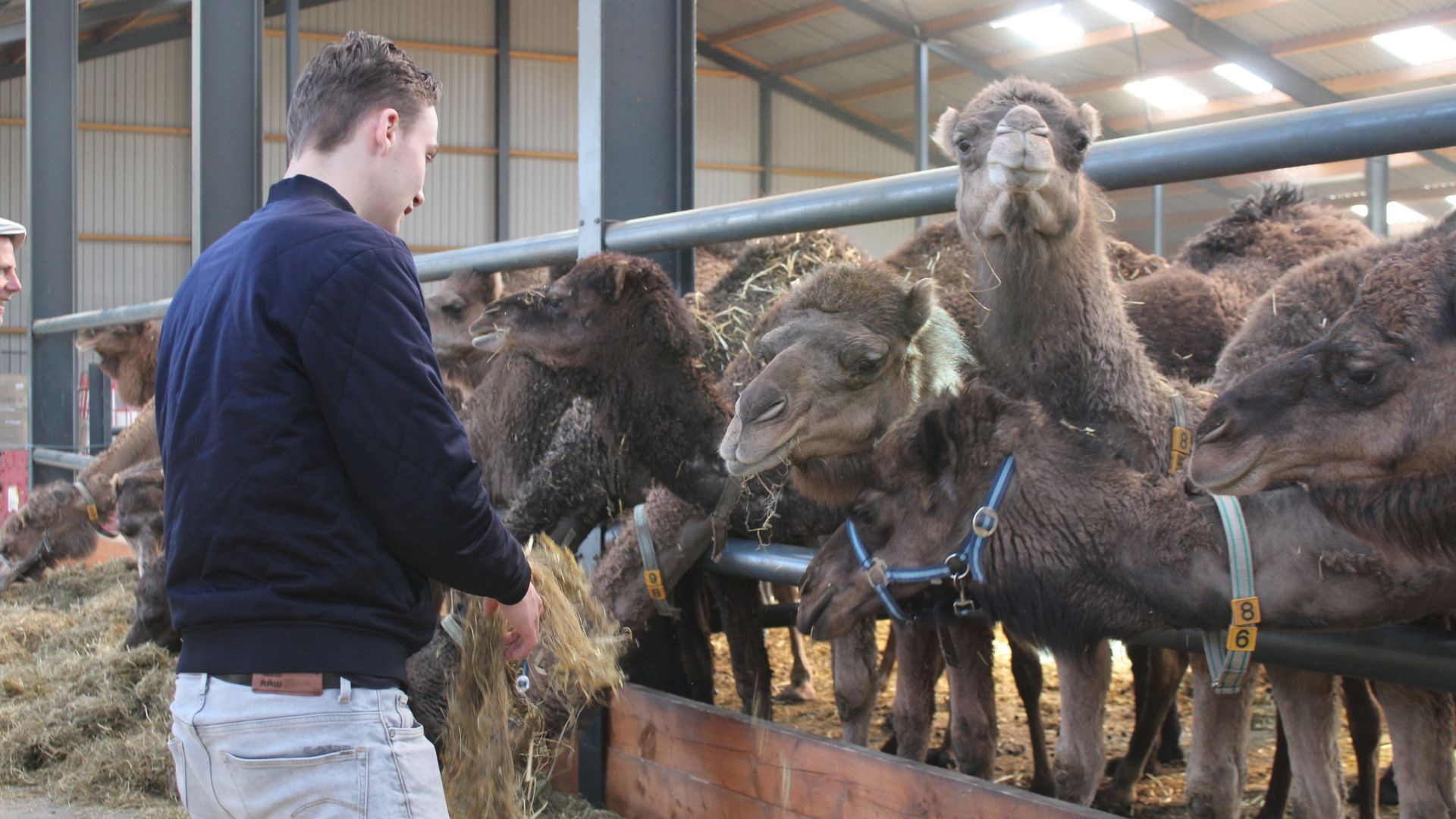
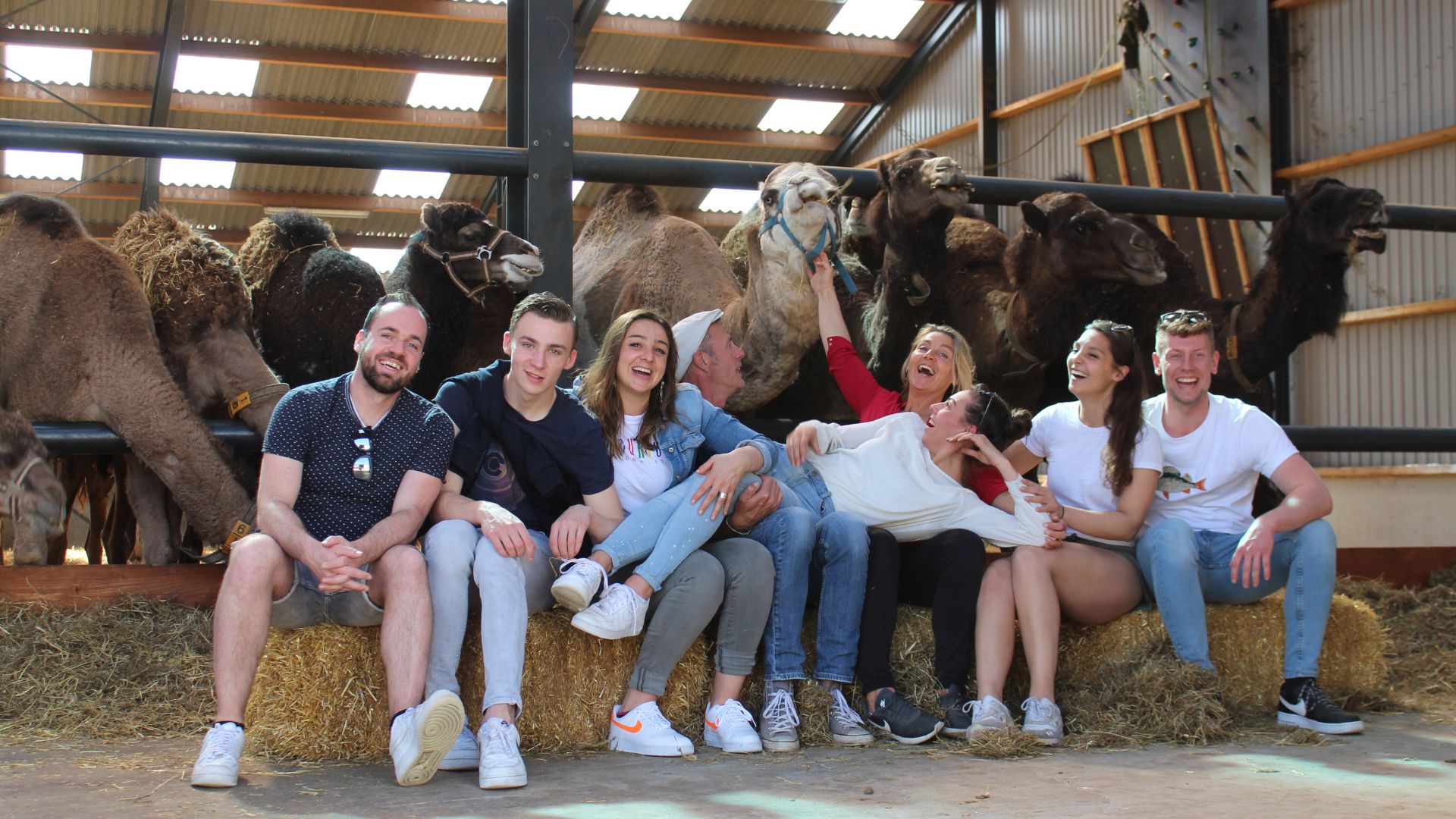
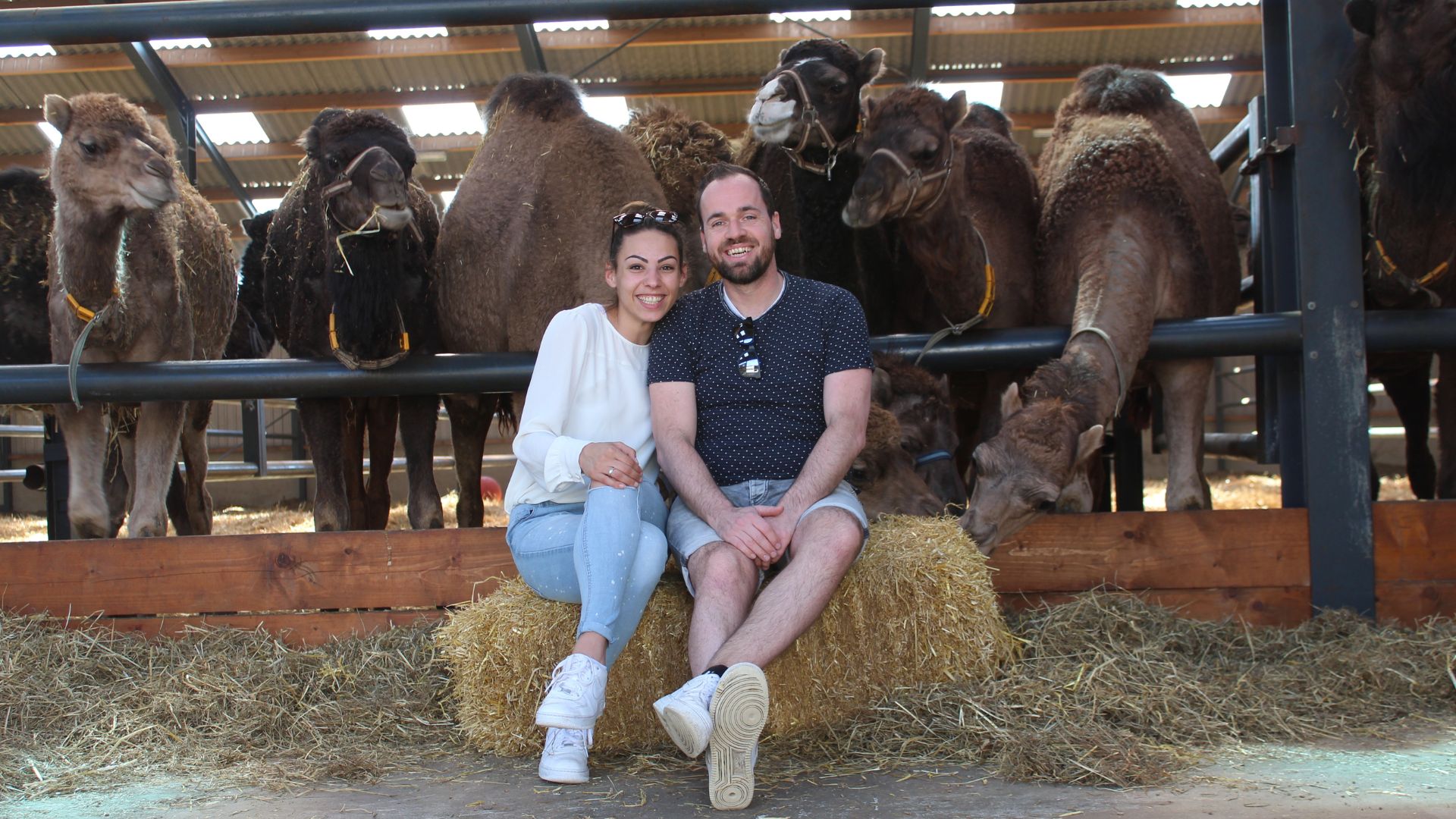
We are the only ones in the Netherlands who milk camels. We are located in the Brabant village of Berlicum, near ’s-Hertogenbosch. There, 100-130 one-humped camels (dromedaries) roam around, spread across multiple stables.
How it started
Frank, a graduate of the Higher Agricultural School (HAS) in ‘s-Hertogenbosch, has turned his passion for farming into a thriving business. It all started with a vision – inspired by the United Nations Food and Agriculture Organization (FAO), which considers camel milk to be one of the healthiest types of animal milk. Research showed that there was potential for economically viable production of this in the Netherlands. Frank decided to take on this challenge.
Our dairy literally started in the heart of the city: In 2006, the Municipality of Den Bosch temporarily leased a plot of land of approximately ¾ hectare at the corner of Rompertse baan and Wethouder Schuurmanslaan. Here, in August 2006, three camels from one of the Canary Islands arrived in Den Bosch. After a five-day boat trip, the animals were driven from Spain to the Netherlands in a trailer specially equipped for transporting camels.
At the end of 2006, the camels moved to the winter quarters in Cromvoirt. The first calves were born there in the spring of 2007. Since then, camel milk has been available in the Netherlands.

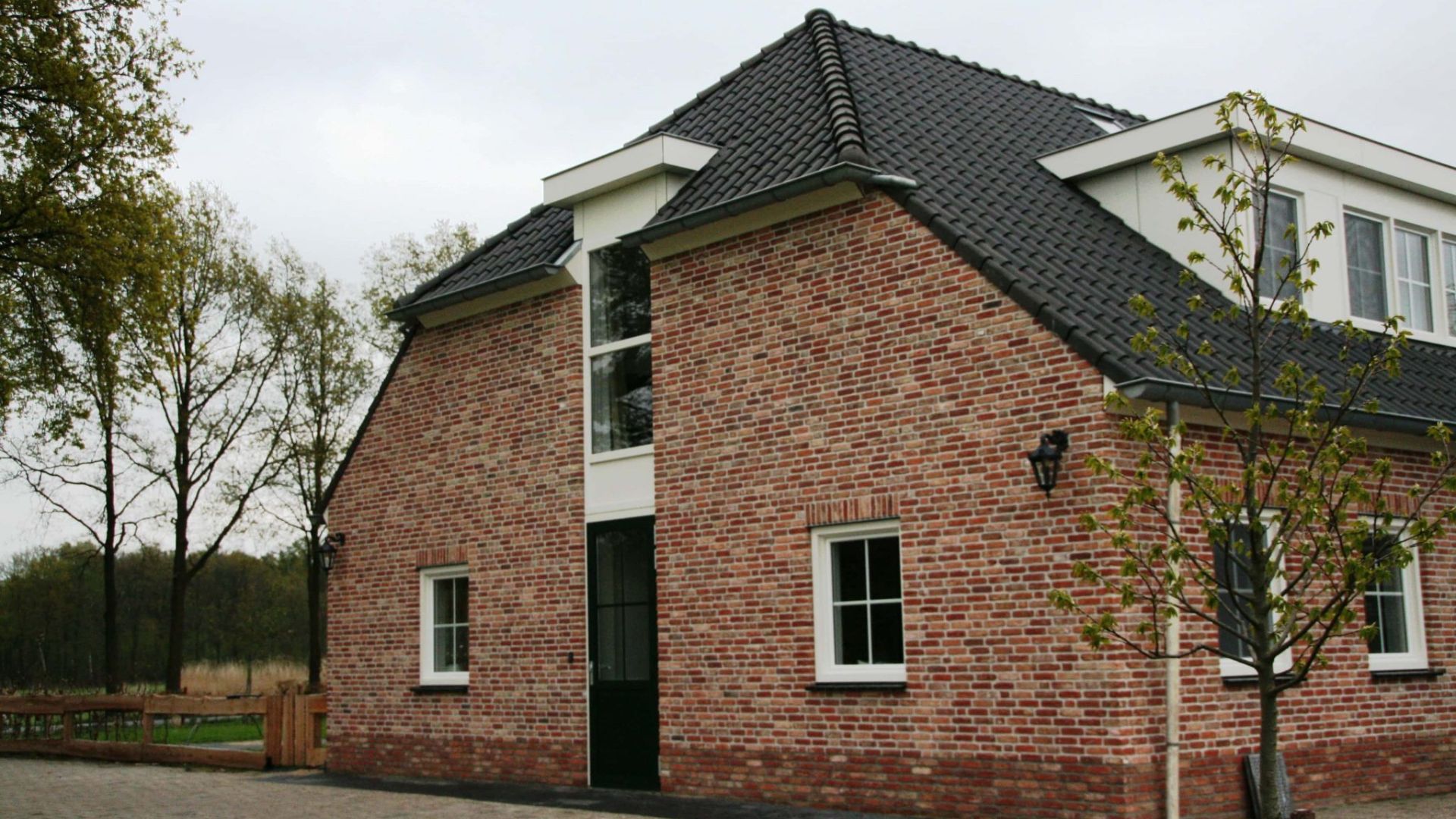
In September 2010, the Camel Dairy moved to Berlicum to a larger location where more space was created for the camels. A large stable was immediately built for the animals, providing them with plenty of room. By 2014, there were already more than 80 camels on the farm. In April 2014, the business was expanded with an Oriental-style restaurant where groups can have lunch and dinner, and in 2016, the group accommodation opened. In 2018, we built a new stable, and we currently have approximately 100-130 camels and many camel calves.
We are the only professional camel dairy in Europe, and our milk is the only one that may be legally sold raw in the EU. Outside the Netherlands, our camel milk is also exported to the United Kingdom, Belgium, Germany, Austria, and Sweden, among others.
The goal
The first goal of the camel milk project was to investigate whether it was possible to milk camels mechanically and to map out the sales opportunities. And that has been successful! The camels are milked using a machine that Frank Smits, owner of the dairy, invented himself. The animals are therefore now milked with a specially adapted cow milking machine. The milk is sold in its natural form but is also processed into other products and is available at multiple locations in the Netherlands, as well as in the EU and worldwide.
The milk is sold in its natural, unprocessed form but is also processed into other products and is available at multiple locations in the Netherlands, as well as in the EU and even worldwide, under the brand ‘Oasis Camel Milk’.
Business philosophy
The camel dairy has since grown into a business where camels, employees, customers, and guests alike feel at home. We work daily on good animal health and improving animal welfare, among other things by always keeping the calves and their mothers close together. Employees can channel their ambitions and enthusiasm into animal care, as well as tourism, processing the milk into dairy products, and many other tasks on the farm. Positive experiences with camel milk are shared through word-of-mouth, allowing us to build a wonderful base of regular customers that we continue to expand. Guests not only enjoy a pleasant day (or even a week) out but also learn about camels, farm life, and the countryside. Camel Dairy Smits aims to offer as much added value as possible to people on and around the farm.
The following points are central to the Camel Farm: